Next Virtual NLP Practitioner Training: April 10–12, 2025Reserve Your Seat

Captivate on Command®

Foundational Practitioners

NLP, Time Line Therapy®, and Hypnotherapy were not invented in a vacuum. They were built by extraordinary minds who asked better questions about human potential. These are the four practitioners whose work forms the intellectual foundation of every term in this dictionary.

Milton H. Erickson

Father of Modern Hypnotherapy

The architect of indirect suggestion and the unconscious mind's most eloquent communicator.

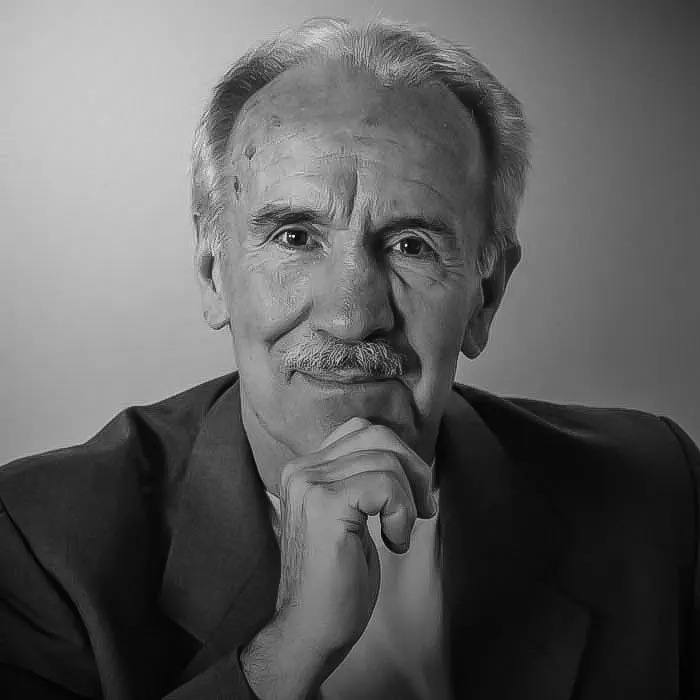
Milton Hyland Erickson was an American psychiatrist and psychologist who revolutionized the practice of clinical hypnosis. Born in 1901 in Aurum, Nevada, Erickson overcame significant personal adversity — including color blindness, dyslexia, and two bouts of polio that left him partially paralyzed — to become the most influential hypnotherapist of the 20th century.

Unlike the authoritarian, direct-suggestion hypnosis of his era, Erickson pioneered an indirect, permissive approach that worked with each client's unique unconscious resources. He believed the unconscious mind was inherently creative and solution-oriented, and that the therapist's role was to create conditions for natural change rather than impose it.

Erickson founded the American Society for Clinical Hypnosis in 1957 and served as its first president. He authored or co-authored over 140 scholarly papers and books throughout his career. In the 1970s, Richard Bandler and John Grinder studied Erickson's work extensively, codifying his language patterns into what became the Milton Model — one of the foundational frameworks of NLP.

Key Contributions

  • Indirect hypnotic suggestion and therapeutic metaphor
  • Utilization principle — using whatever the client brings
  • Confusion technique and pattern interruption
  • Naturalistic trance induction
  • The Milton Model (codified by Bandler & Grinder)
Richard Bandler

Co-Founder of Neuro-Linguistic Programming

The co-creator who asked: what makes the difference between someone who is excellent and someone who is not?

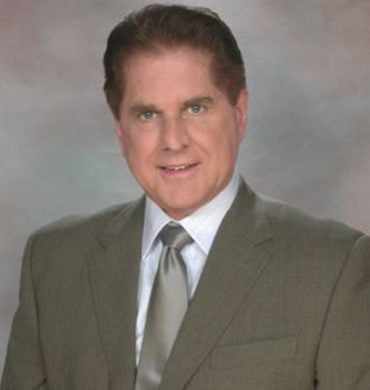
Richard Bandler was born in 1950 in New Jersey and studied mathematics and philosophy at the University of California, Santa Cruz. In the early 1970s, while transcribing therapy sessions of Fritz Perls for a research project, Bandler became fascinated by the patterns of language and behavior that produced therapeutic change. This curiosity led him to collaborate with linguistics professor John Grinder.

Together, Bandler and Grinder developed the process of modeling — systematically observing and replicating the cognitive and behavioral patterns of exceptionally effective people. Their first models were Fritz Perls (Gestalt therapy), Virginia Satir (family therapy), and Milton Erickson (hypnotherapy). From this work emerged the foundational frameworks of NLP: the Meta Model, the Milton Model, and the representational systems.

Bandler has continued to develop NLP throughout his career, creating Design Human Engineering (DHE) and Neuro-Hypnotic Repatterning (NHR). He has trained hundreds of thousands of people worldwide and holds the trademark on the term 'Neuro-Linguistic Programming' in several jurisdictions.

Key Contributions

  • Co-creation of Neuro-Linguistic Programming (NLP)
  • The Meta Model of language
  • Submodalities and the Swish Pattern
  • Modeling as a systematic methodology
  • Design Human Engineering (DHE)

John Grinder

Co-Founder of Neuro-Linguistic Programming

The linguist who gave NLP its structural backbone and its understanding of how language shapes reality.

John Grinder was born in 1940 and earned his Ph.D. in linguistics from the University of California, San Diego in 1971. Before entering academia, Grinder served as a captain in the U.S. Army Special Forces and worked for U.S. intelligence agencies — experiences that sharpened his understanding of human communication and behavioral influence.

As a professor of linguistics at UC Santa Cruz, Grinder met Richard Bandler and recognized the linguistic sophistication in Bandler's intuitive modeling work. Grinder brought the formal structure of transformational grammar — particularly the work of Noam Chomsky — to bear on what Bandler was observing, creating a rigorous framework for analyzing how language both reflects and shapes internal experience.

After the initial NLP collaboration with Bandler, Grinder went on to develop New Code NLP with Carmen Bostic St. Clair, which emphasizes unconscious competence and state-based change over the more explicit, conscious-mind techniques of Classic Code NLP. He continues to train and write, and is widely regarded as the more linguistically rigorous of NLP's two founders.

Key Contributions

  • Co-creation of Neuro-Linguistic Programming (NLP)
  • Linguistic analysis of the Meta Model
  • Transformational grammar applied to therapy
  • New Code NLP (with Carmen Bostic St. Clair)
  • Modeling methodology and epistemology

Dr. Tad James

Creator of Time Line Therapy®

The innovator who discovered that emotions and limiting beliefs are stored along an internal timeline — and that they can be released from it.

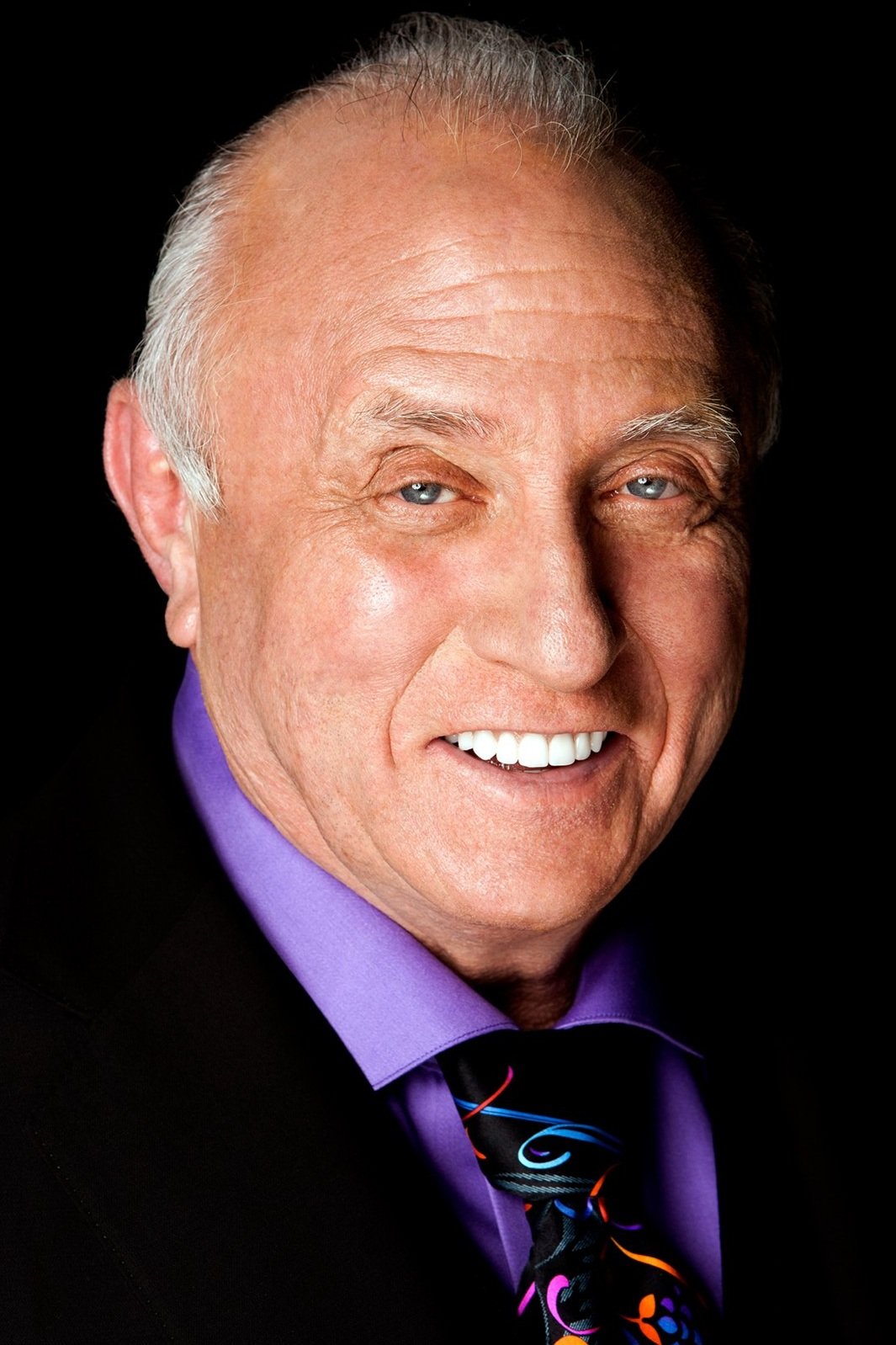
Dr. Tad James holds a Ph.D. in Health and Human Services and is a Master Trainer of NLP, Time Line Therapy®, and Hypnotherapy. After studying NLP extensively in the 1980s with its founders, James began exploring the relationship between time, memory, and emotional experience — work that led to his landmark 1988 publication, *Time Line Therapy and the Basis of Personality*, co-authored with Wyatt Woodsmall.

Time Line Therapy® emerged from James's observation that people unconsciously organize their memories along an internal timeline — a spatial representation of past, present, and future. By working directly with this timeline, James developed techniques that allow clients to release the emotional charge from past negative experiences and limiting decisions at their root cause, rather than addressing symptoms one by one.

Dr. James is the founder of the Time Line Therapy® Association and the Tad James Company, which has trained NLP practitioners and coaches in over 40 countries. His work is recognized as one of the most significant advances in applied NLP, and Time Line Therapy® is now taught as a core component of NLP Practitioner and Master Practitioner certifications worldwide — including at Captivate on Command®.

Key Contributions

  • Creation of Time Line Therapy® (1988)
  • Time Line Therapy and the Basis of Personality (book)
  • Root-cause release of negative emotions
  • Releasing limiting beliefs and limiting decisions
  • Integration of timeline work with NLP and hypnotherapy

Captivate on Command®

Learn These Disciplines Directly

The NLP Practitioner's Dictionary is a companion resource to our live training programs. To learn NLP, Time Line Therapy®, and Hypnotherapy from a certified trainer, join our next cohort.